Tips & Tricks

Yard advice, no strings attached

A few things we’ve picked up. Use them yourself, or call us and we’ll handle it.

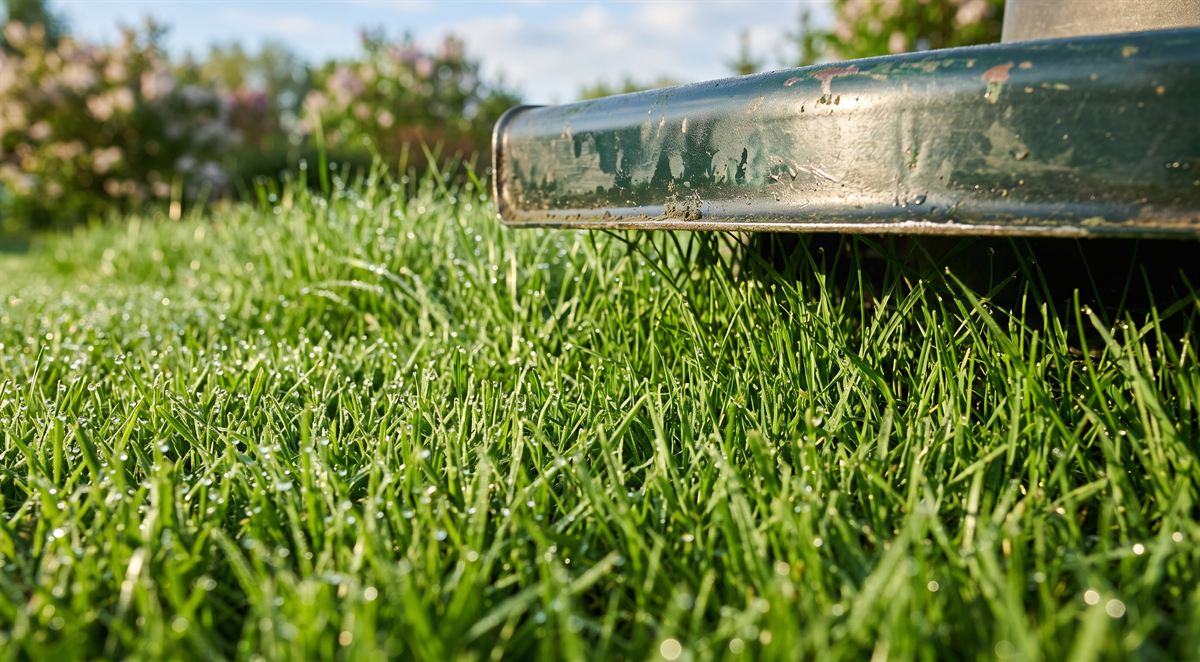
A mower set high over fresh spring grass

Spring

Don’t cut it too short that first time

It’s tempting to scalp the lawn after a long winter, but short grass invites weeds and dries out fast once summer hits.

  • Set the mower to about three inches and leave it there most of the season.
  • Never take off more than a third of the blade height in one cut.
  • Sharpen the mower blade in spring — a dull blade tears grass and leaves it looking brown at the tips.
  • Rake out the matted, gray patches so new growth gets air and light.
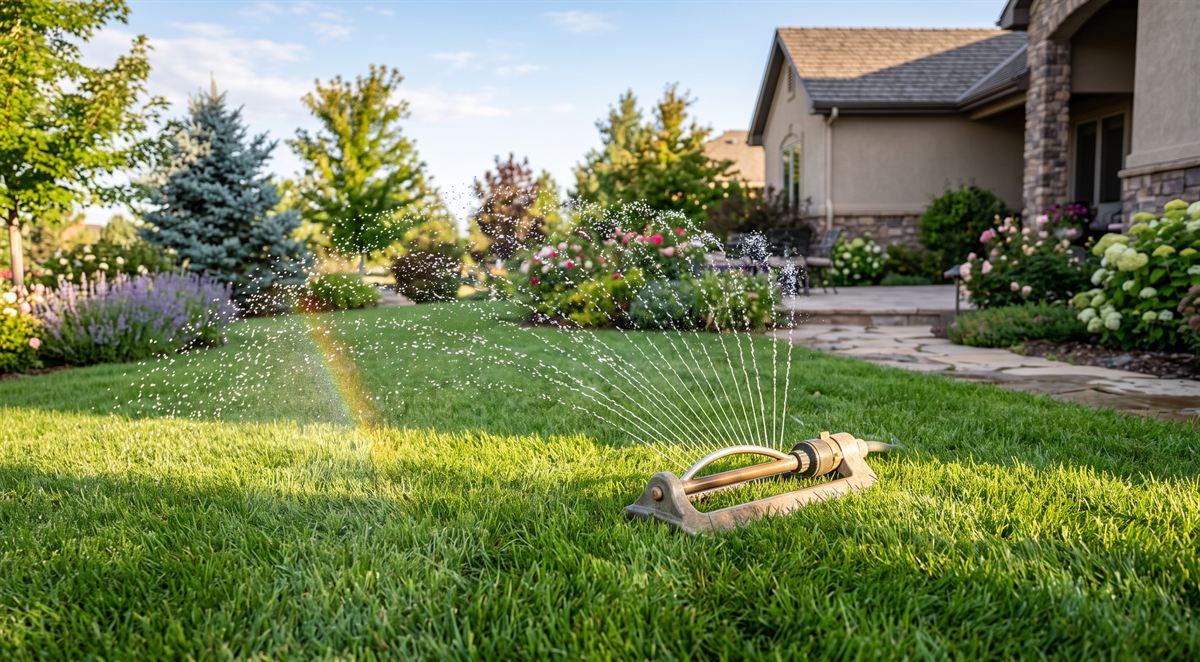
A sprinkler watering a green lawn in summer

Summer

Water less often, but water deeper

A short sprinkle every evening trains roots to stay near the surface, right where the heat is. Longer, less frequent watering sends them down where it stays cool.

  • Aim for about an inch of water a week, in one or two soakings.
  • Water early in the morning — less evaporation and less risk of lawn disease.
  • If the grass goes tan in a heat wave, that’s usually dormancy, not death. It comes back.
  • Leave the clippings on the lawn. They break down fast and feed it for free.
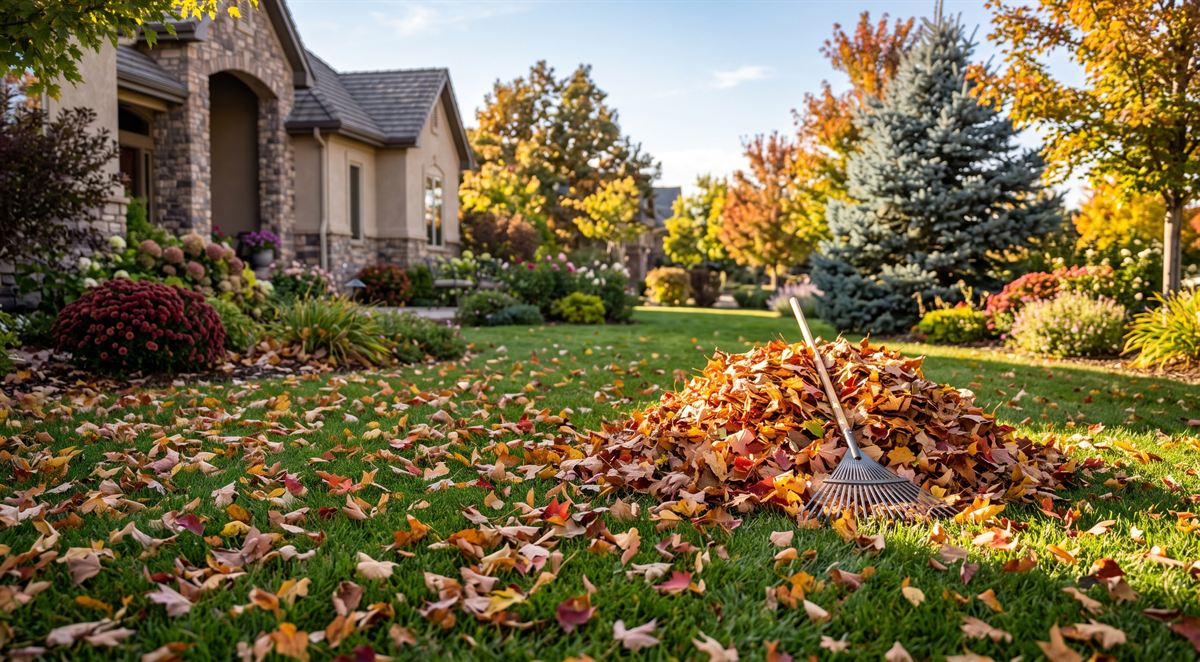
A rake resting against a pile of raked autumn leaves

Fall

Leaves are easier in two passes than one

Waiting until every last leaf is down usually means fighting a wet, packed mat that smothers the grass underneath.

  • Do one cleanup mid-fall and a second after the trees finish.
  • A mulching mower turns a light layer of leaves into free fertilizer — no bagging needed.
  • Clear leaves off the lawn before the first hard freeze so you don’t get dead patches in spring.
  • Fall is the best time to overseed thin spots. Cool nights, warm soil.
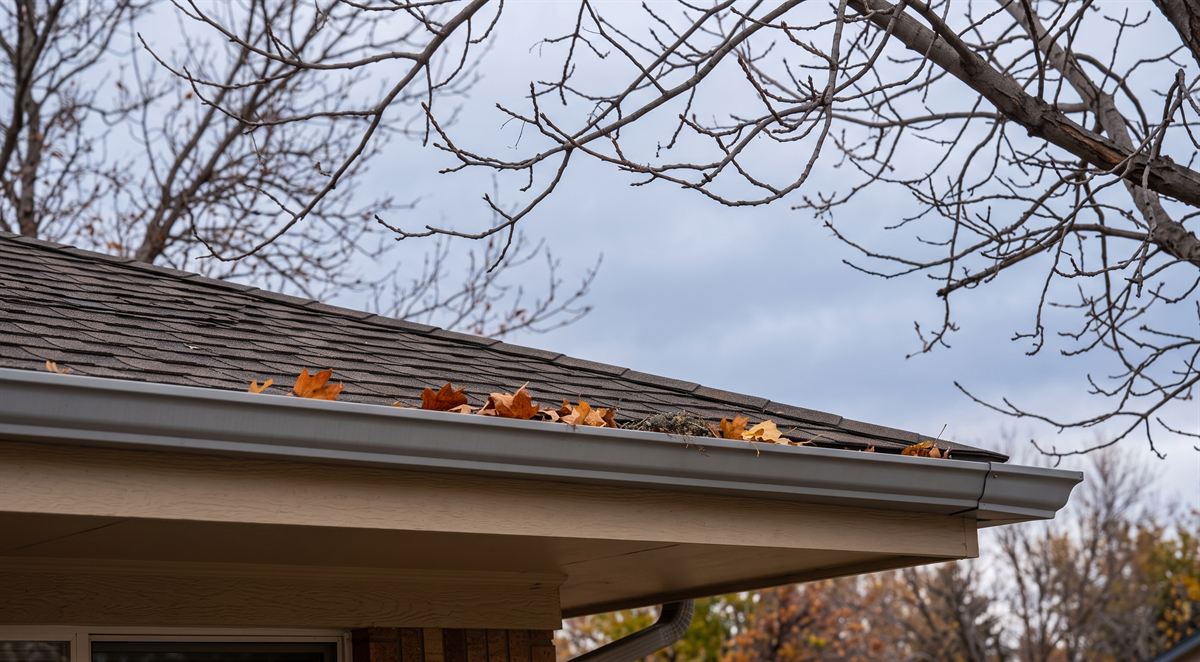
A house gutter and roofline beneath bare autumn branches

Fall

Check the gutters after the leaves drop

Packed gutters send water down the side of the house and into the foundation. It’s a cheap job to do now and an expensive one to fix later.

  • Clear them once the trees are bare, not while they’re still dropping.
  • Run a hose through to make sure the downspouts actually flow.
  • Make sure downspouts carry water at least a few feet away from the house.
  • If the ladder work makes you nervous, that’s exactly the kind of job to hand off.
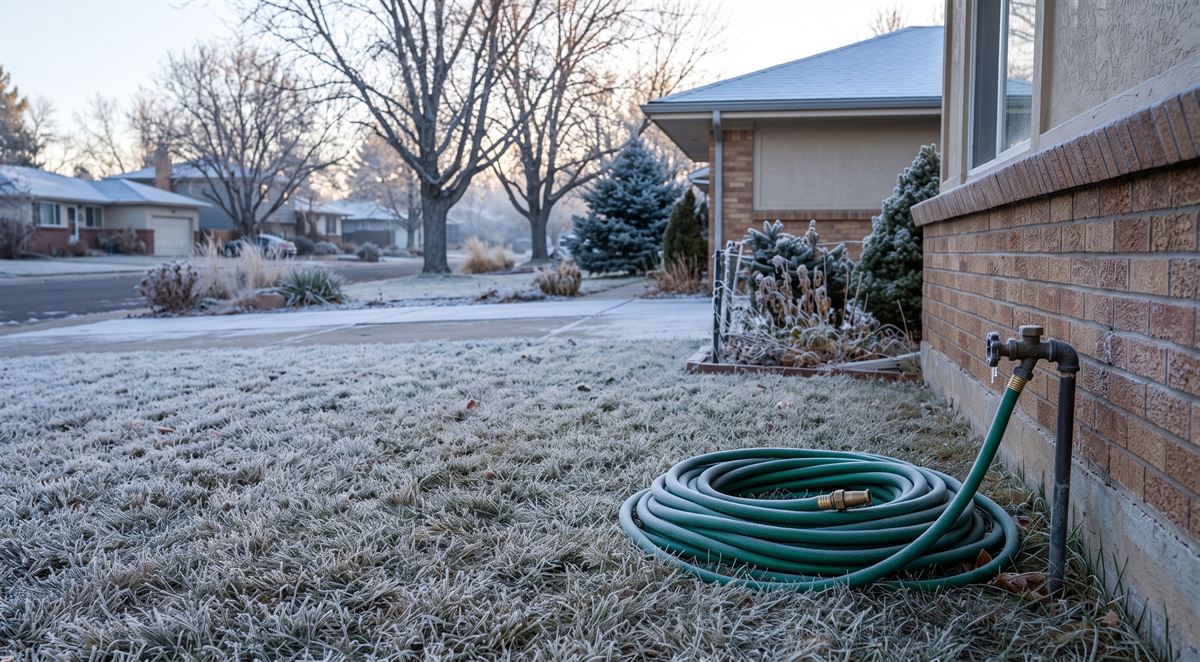
A coiled garden hose beside a frost-covered dormant lawn

Winter

Put the yard to bed properly

Twenty minutes in November saves a headache in March, and it keeps your tools working when you need them again.

  • Run the mower dry or add fuel stabilizer before it sits all winter.
  • Drain and coil the hoses, and shut off the outdoor spigots so nothing freezes and splits.
  • Trim back dead perennials, but leave ornamental grasses for winter interest.
  • Keep foot traffic off a frozen lawn — the crowns snap and you’ll see the paths come spring.
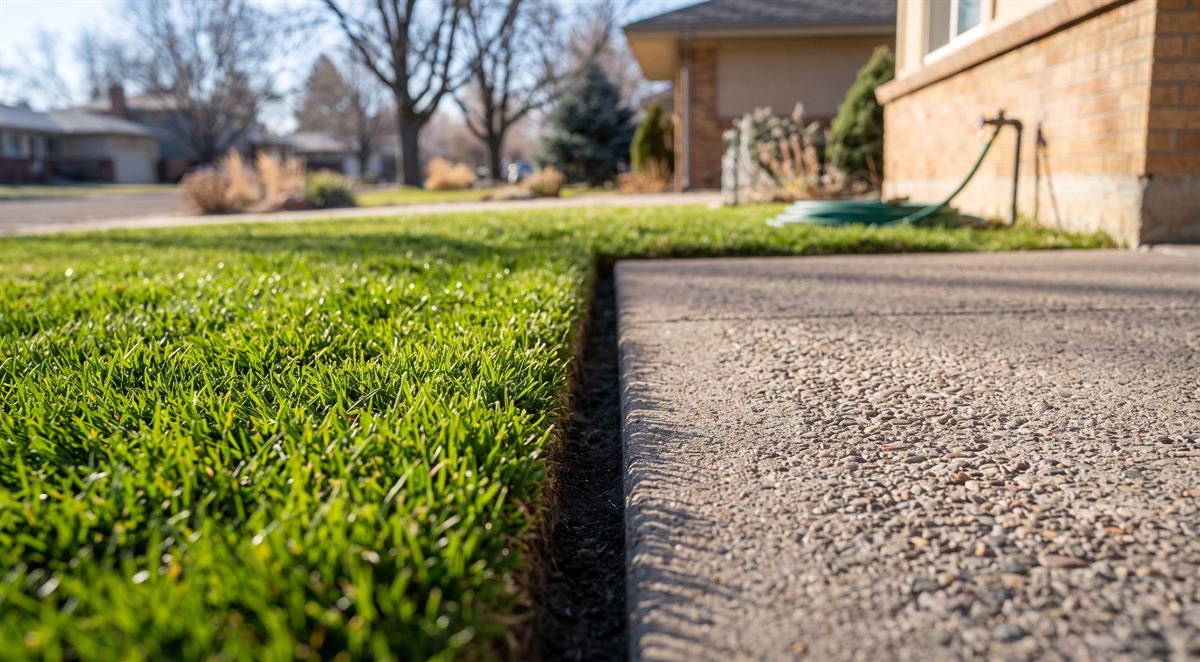
A crisp mown edge where the lawn meets the driveway

Any Season

The five-minute rule for a tidy-looking yard

Most of what makes a yard look cared for isn’t the mowing — it’s the edges.

  • Edge along the driveway and walks. It reads as “maintained” more than anything else you can do.
  • Pull weeds after a rain, when the whole root comes up easily.
  • Keep mulch a couple of inches back from tree trunks — piling it against the bark rots it.
  • Sweep the clippings off the driveway. It takes two minutes and everyone notices.

Got a question about your yard?

Ask us. We’re happy to give you a straight answer even if it means telling you it can wait.